Merchandise & stores, 2 min read
Sell merchandise guests actually want.
Test what guests would buy, choose how to fulfil orders and work out what each order leaves you.
Cottage Grow. Published . Last reviewed
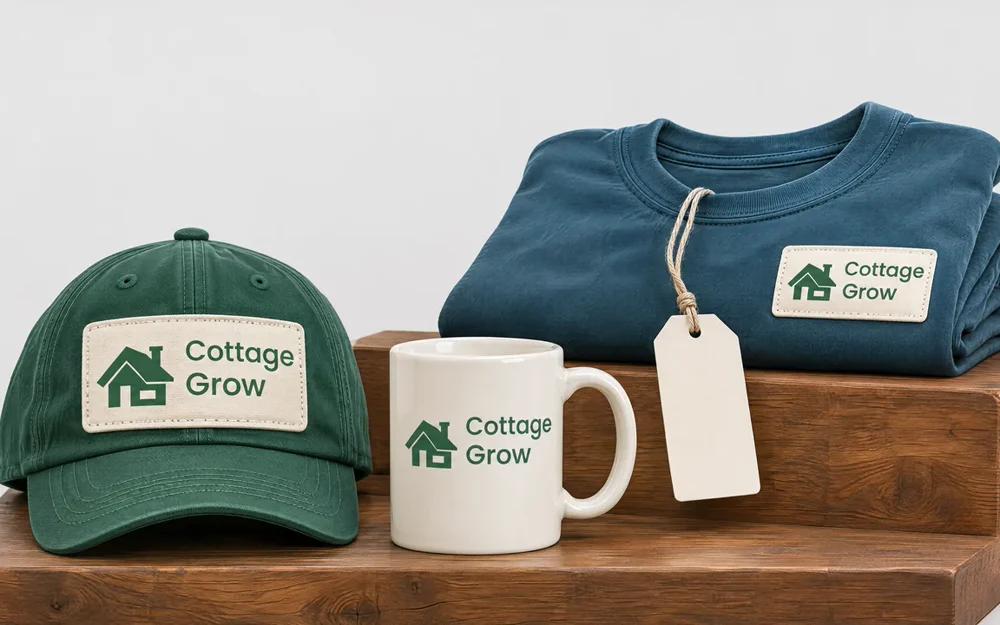
A favourite cottage stay can become a hat, mug or sweatshirt guests enjoy long after they leave. The opportunity is strongest when the product suits your guests and the numbers work for your business.
Start with one good product before building a full collection.
1. Find out what guests would buy
Ask about the item, design, price and how guests would use it. “Would you buy this mug for this price?” gives you more useful feedback than asking whether someone likes your logo.
A compliment is encouraging; an order is stronger evidence of demand.
Order a sample before selling. Check the print, materials, sizing and packaging, and test how the product holds up to normal use. Use artwork you own or have permission to reproduce.
2. Choose how orders will be fulfilled
Compare the practical options:
- **Small-batch stock:** products are ready to sell, but you need storage and someone to pack orders.
- **Pre-orders:** you collect orders within a set window, with clear production and delivery dates.
- **Print on demand:** a supplier makes products after an order, reducing the need to hold stock.
Print on demand (opens in a new tab) still needs careful checks on product costs, quality and delivery. Confirm who handles missing parcels, damaged goods and returns whichever approach you choose.
3. Work out what each order leaves you
Start with the selling price before sales tax. Subtract the product, printing, packaging, transaction fees and any shipping you pay.
Allow for replacements and returns. What remains contributes towards design, samples, store subscriptions, your time and profit.
Use actual supplier quotes. A product that looks attractive before shipping costs may leave very little once the order reaches the guest.
Make the first purchase straightforward
Photograph the sample and provide sizes, materials, delivery expectations and clear returns information. Explain whether it is in stock or made to order.
Confirm who in your business will check orders and answer questions, especially during your busiest guest periods.
Test one product with a small audience. Review sales, time spent and guest feedback before adding more colours, sizes or items.